
A familiar entry point
Entering with a mentor who understands the environment can reduce uncertainty and make the first interaction feel more manageable.
Community Connection
Community Connection brings teens and adults into active, welcoming Los Angeles settings where they can build relationships, practice participation, and develop an organic support system through shared experience.
Why community matters
A person can want more connection and still have difficulty knowing where to go, how to enter a group, or how to return after an uncomfortable experience. Unstructured time, social uncertainty, and a lack of consistent invitations can gradually make isolation feel easier than participation.
Community connection requires more than recommending an activity. It often begins with a trusted person who already understands the setting, can make a natural introduction, and is willing to participate alongside the individual until the environment feels more familiar.
Our founder and mentors maintain strong connections across Los Angeles wellness, volunteer, neurodivergent, recreational, and social communities. This involvement enables them to provide supported access and personal introductions—not simply a list of suggested activities.
Community and connection can become powerful, organic drivers of motivation, belonging, and lasting purpose.
Established community access
Mentors do not simply hand someone a list of activities. They help identify a setting that fits, explain what to expect, arrive alongside the individual, and create introductions within communities where they already have genuine relationships.
Entering with a mentor who understands the environment can reduce uncertainty and make the first interaction feel more manageable.
Shared activities create conversation and cooperation without placing all of the pressure on direct social performance.
Returning to the same people and places gives familiarity, trust, and mutual recognition time to develop.
Active participation
Fitness and recreation provide structure, a common purpose, and natural opportunities for encouragement. Mentors participate alongside the individual so the experience feels collaborative rather than observational.
Mentor-supported gym sessions and voluntarily chosen wellness activities such as sauna or cold plunge when appropriate for the individual.
Supported access to surfing, beach activities, and seasonal recovery-oriented surf gatherings in the Los Angeles area.
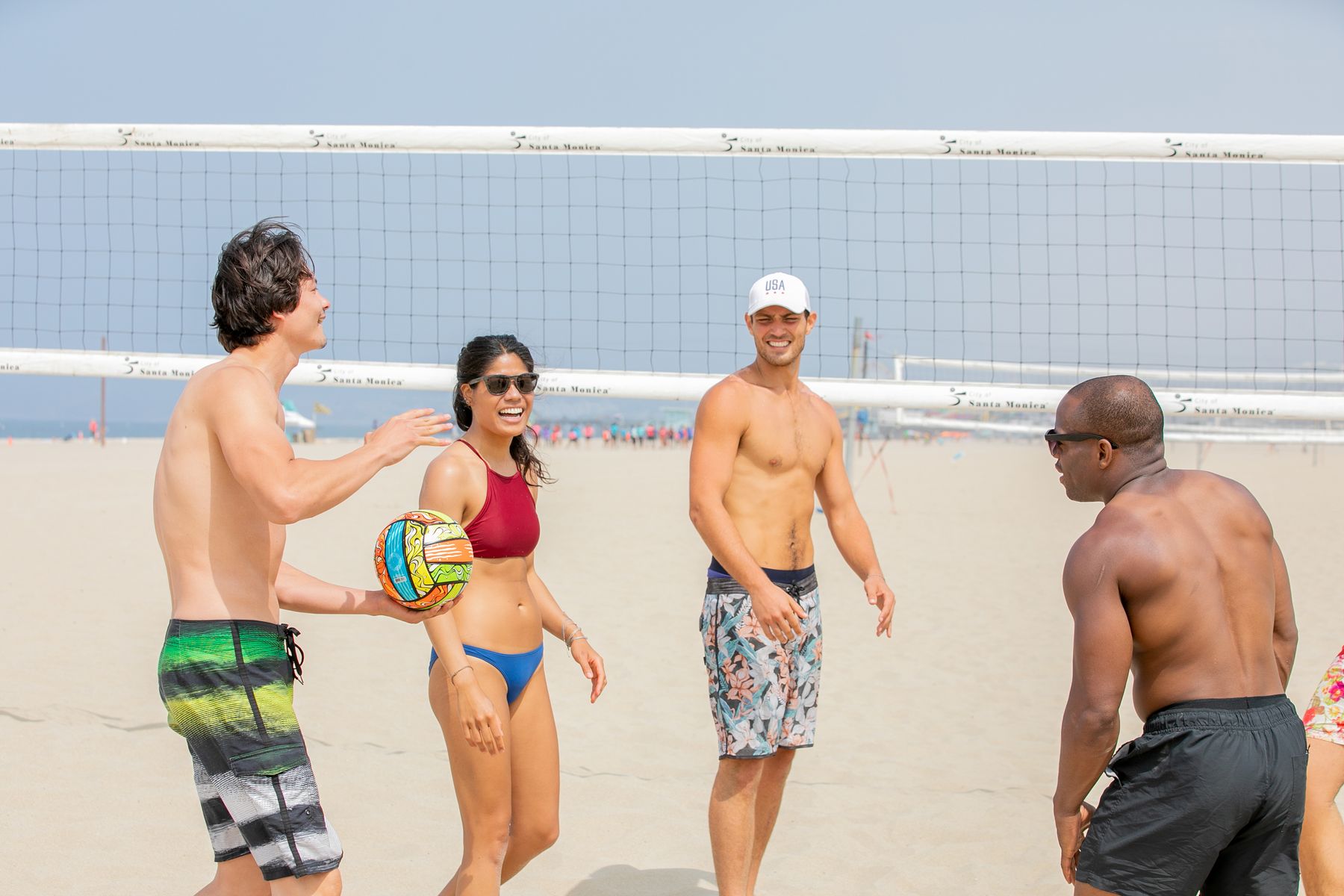
Beach volleyball and other group activities that make teamwork, conversation, and repeated participation part of the experience.
Purpose & contribution
Volunteer experiences allow individuals to contribute, work alongside others, and develop a sense of responsibility within the broader community. The focus is not simply staying busy; it is experiencing oneself as capable, useful, and part of a shared effort.
Access to recurring volunteer opportunities with preparation, transportation planning, and mentor participation as needed.
Practicing punctuality, communication, teamwork, and follow-through in settings where those skills have a meaningful purpose.
Helping the individual become known for their presence and contribution rather than remaining a temporary visitor.
Supported social learning
For autistic and neurodivergent individuals, community participation may be more accessible when expectations are explained, sensory and social demands are considered, and feedback is offered respectfully in the moment or soon afterward.
Choosing environments based on interests, energy, sensory preferences, communication style, and the individual’s current goals.
Reviewing what to expect, who may be present, how long the activity may last, and what options are available if a break is needed.
Offering practical observations about conversations and interactions while reinforcing strengths, agency, and self-advocacy.
Community opportunities
Access to a recurring Los Angeles beach-volleyball community that regularly brings together more than 50 young people for movement, teamwork, and informal social connection.
Seasonal summer surf events that can bring together more than 150 young people through recovery community, ocean activity, and shared experience.
Recurring opportunities to contribute, practice responsibility, and develop relationships through meaningful service alongside others.
Introductions to interest-based and neurodivergent community gatherings selected around comfort, accessibility, and opportunities for authentic participation.
Mentor-supported participation at the gym and in selected wellness activities that encourage consistency, confidence, and shared healthy routines.
Support with entering groups, reconnecting after events, exchanging contact information when appropriate, and returning often enough for relationships to grow.
How participation develops
Community support is individualized. Activities are selected around the person’s interests, goals, comfort, schedule, transportation needs, and established family or care-team priorities.
The mentor learns what the individual enjoys, what has made participation difficult, which environments feel manageable, and what kind of connection they hope to build.
Together, the mentor and individual select an appropriate activity, review practical details, and plan for transportation, timing, expectations, and possible challenges.
The mentor joins the activity, supports introductions, models engagement, and provides only the level of prompting or guidance that is useful.
Afterward, the mentor helps identify what felt successful, what was difficult, and what may make the next experience more comfortable or independent.
As familiarity and confidence grow, support can gradually shift toward the individual maintaining activities and relationships with greater ownership.
Frequently asked questions
The service is designed for teens and adults who want more social connection, meaningful activity, healthy structure, or access to community but benefit from practical support getting started and remaining involved. Individuals may be navigating recovery, neurodivergence, anxiety, isolation, a major transition, or difficulty developing an organic peer network.
No. Community participation is introduced at a pace that fits the individual. Some engagements begin with one-on-one gym sessions, surfing, volunteering, or another shared activity before expanding into larger groups. The goal is meaningful and sustainable involvement, not forced exposure.
Mentors can prepare the individual for the setting, facilitate natural introductions, model conversation, offer discreet prompts, and provide respectful feedback afterward. Support is adjusted so the mentor remains helpful without taking over the interaction.
No. Some opportunities are connected to the recovery community, while others center on recreation, volunteering, wellness, shared interests, or neurodivergent community participation. Activities are chosen according to the individual’s needs, preferences, and goals.
Community schedules, attendance, weather, and seasonal programming can change. The case manager or mentor discusses current opportunities with the individual and family, confirms availability, and identifies alternatives when a particular event is not operating or is not the right fit.
Yes. With appropriate consent, community goals and observations can be coordinated with family members and established professionals. Mentors can reinforce agreed priorities and share practical information about participation, barriers, strengths, and next steps while respecting each provider’s role.
Confidential consultation
This service is individualized around the current concerns, existing supports, and level of practical guidance or coordination needed. A private first conversation is the best way to determine fit.
Call 24/7